


In December 2025, Faces of Grand Prairie Media Group conducted an online survey asking residents what questions they would most like addressed as election season approaches. The top five responses were developed into official questions for the candidates in the Special Election for City Council Place 8 (At-Large). This council district encompasses the entire city, regardless of county, so any registered voter in the city of Grand Prairie may vote in this election.
All candidates were invited to participate in a written candidate forum and were given the exact same questions, with the opportunity to respond in writing. Below are the responses presented in ballot order. Nothing has been edited—each response appears exactly as submitted by the candidates
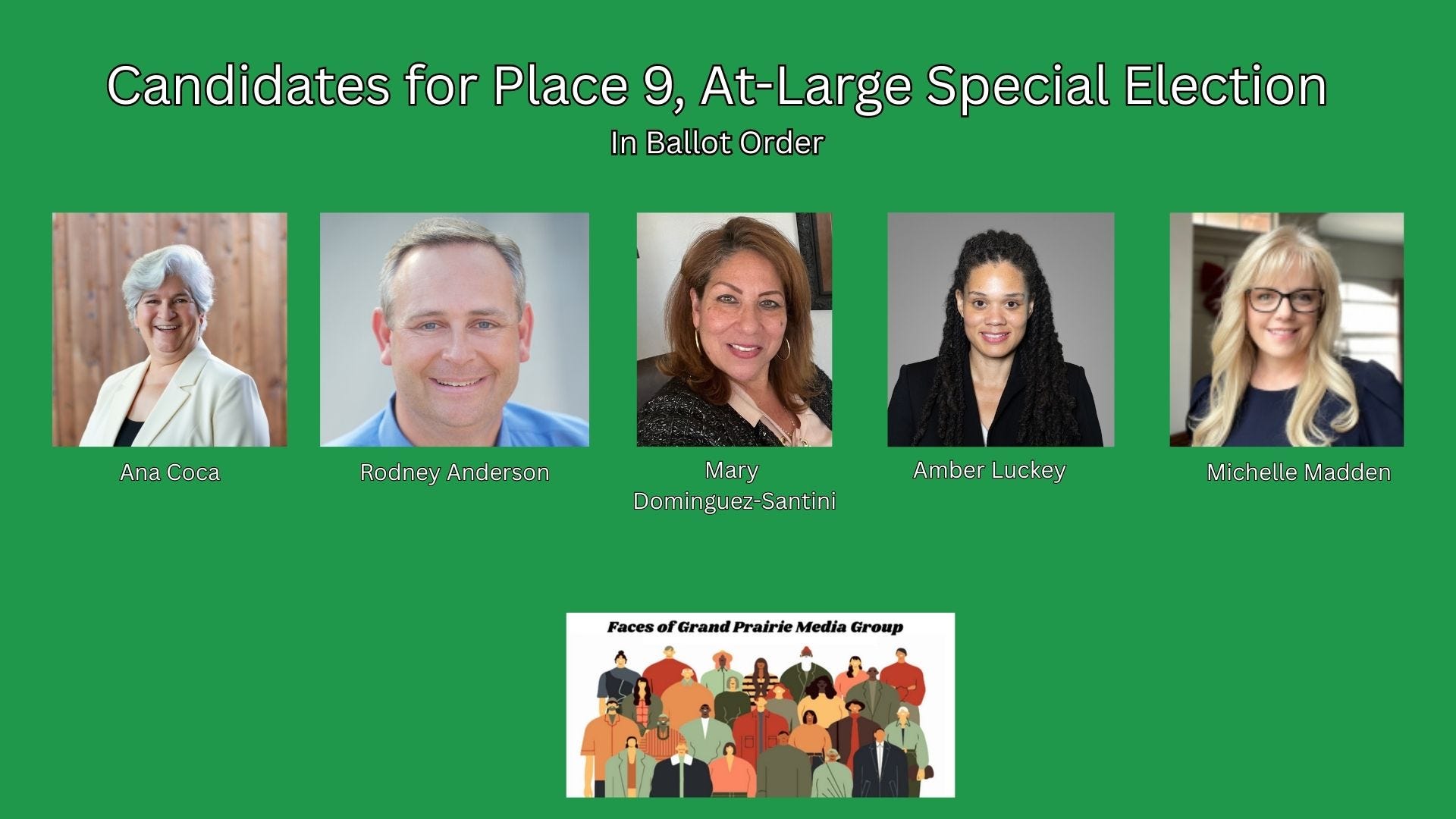
Early voting for this specially called election begins today, with Election Day taking place on January 31. Find more information on all early voting dates, times and locations here.
Ana Coca
https://voteanacoca.com/

Question 1:
What are your top three campaign platform priorities or concerns?
My top three priorities are affordability, public safety, and smart growth. I want to keep Grand Prairie affordable for seniors, working families and young people by lowering the property tax burden and expanding housing options. I will support police and fire so neighborhoods stay safe and residents feel comfortable calling for help. I also want growth that benefits every part of the city, including the north side, with grocery stores, medical care, and good jobs. These priorities reflect what residents tell me they need to thrive.
Question 2:
As Grand Prairie continues to grow geographically and this council position is at-large, what specific steps would you take to foster community unity and ensure residents—from 75050 to 75054 and in newly developed areas—continue to feel connected as part of one Grand Prairie community?
As an at large councilmember, I would focus on connecting residents across all zip codes through strong communication and outreach. That includes better promotion of town hall meetings, neighborhood events, and language access so more people can participate. I would also support citywide initiatives that bring neighbors together through parks, community spaces, and cultural events.
Question 3:
As Grand Prairie grows and redevelops, how should the city balance new development with preserving its history, cultural identity, and long-standing institutions—and what role should City Council play in that effort?
New development should respect Grand Prairie’s resident needs, historical identity and cultural aspirations. City Council should require community input for major projects and support development that fits the character of existing neighborhoods. I believe in preserving local institutions, cultural spaces, and small businesses while welcoming new investment. Growth should build on what makes Grand Prairie special rather than replace it.
Question 4:
What standards of conduct, professionalism, and accountability do you believe City Council members should uphold—both during meetings and outside of them—and how would you model that behavior as an at-large councilmember?
City Council members should lead with integrity, respect, and accountability at all times. That means being prepared, listening to residents, and treating colleagues, city staff and community members with professionalism, even during disagreement. Councilmembers should always act in ways that build trust in local government. As an at large councilmember, I would model this by staying focused on facts, welcoming different viewpoints, and keeping my work centered on what is best for Grand Prairie, not politics or personalities.
Question 5:
City finances are complex, and this position is a special term that will require standing for election again in 2027. How familiar are you with the City of Grand Prairie’s financial structure, budgeting process, and oversight responsibilities, and how would you get up to speed quickly if elected?
I have experience with budgets and oversight through my work on city boards and as a leader of large organizations. I understand how important it is to balance growth, services, and taxpayer dollars. If elected, I would review city financial reports, work closely with staff, and ask clear questions so I can understand the budget quickly. Fiscal responsibility is key to protecting residents and supporting long term growth.
Rodney Anderson
www.rodneyanderson.org

Question 1:
What are your top three campaign platform priorities or concerns?
My top three campaign priorities are public safety excellence, fiscal discipline, and infrastructure reliability.
First, public safety excellence. Grand Prairie has an outstanding police and fire department, and my priority is to protect that standard. This means supporting recruitment and retention, competitive compensation, modern equipment, and data-driven deployment so our first responders can continue to serve effectively without burnout.
Second, fiscal discipline and transparency. Strong revenues alone do not equal strong financial management. I will focus on spending accountability, clear performance measures, and long-term financial planning that respects taxpayers and avoids shifting today’s costs to future generations.
Third, infrastructure reliability. Aging roads, water, and storm drainage systems are foundational issues that affect neighborhoods, businesses, and public safety. I will advocate for a utility-first, coordinated approach that fixes what’s underground before rebuilding streets and prioritizes projects based on risk and impact.
Together, these priorities reflect a practical, steady approach to city leadership—focused on core responsibilities, long-term planning, and earning public trust through results rather than rhetoric.
Question 2:
As Grand Prairie continues to grow geographically and this council position is at-large, what specific steps would you take to foster community unity and ensure residents—from 75050 to 75054 and in newly developed areas—continue to feel connected as part of one Grand Prairie community?
Grand Prairie’s size and diversity are strengths, but they require intentional leadership—especially for an at-large council member whose responsibility is to the entire city. Community unity doesn’t happen by accident; it has to be worked at consistently.
First, I have a track record of being visible and accessible across the whole city, not just in one area, regardless of political affiliation. That means rotating town halls and listening sessions throughout ZIP codes from 75050 to 75054, attending neighborhood meetings, school and community events, and spending time in both long-established neighborhoods and newly developed areas. An at-large council member should not be a stranger anywhere in the city.
Second, communication matters. I would prioritize plain-language communication about city decisions—why they’re made, how they affect different parts of the city, and what residents can expect next. People feel connected when they feel informed and heard.
Third, I would support citywide events, youth programs, and shared public spaces—parks, trails, recreation centers, and cultural activities—that bring residents together across geography, age, and background. These shared experiences build a common civic identity.
Finally, I would focus on fairness and consistency in decision-making. Residents may live in different ZIP codes, but they should all feel City Hall applies the same standards, attention, and respect.
Unity comes from presence, communication, and trust. My goal would be to help ensure every resident—no matter where they live—feels they are part of one Grand Prairie
Question 3:
As Grand Prairie grows and redevelops, how should the city balance new development with preserving its history, cultural identity, and long-standing institutions—and what role should City Council play in that effort?
Balancing growth with preservation requires intentional, consistent leadership, not reactionary decision-making. Grand Prairie should welcome new development that strengthens the city, but it should never come at the expense of the neighborhoods, institutions, and traditions that give the community its identity.
The City’s first responsibility is to set clear, predictable standards—design, compatibility, infrastructure, and traffic—so new projects fit their surroundings and contribute positively over time. When expectations are known upfront, developers can succeed without erasing the character of existing areas.
Preserving history and cultural identity does not mean freezing the city in place. It means respecting long-standing schools, churches, civic groups, small businesses, and historic neighborhoods by engaging them early and often when change is proposed. City Council should ensure redevelopment enhances these anchors rather than displacing them.
Council’s role is not to design projects, but to protect the public interest. That includes insisting on infrastructure readiness, maintaining fair enforcement of codes, and ensuring redevelopment delivers real community value—not just short-term gains. Council should also support adaptive reuse where appropriate, allowing older properties to evolve while retaining their character.
Finally, transparency matters. Residents are far more supportive of growth when they understand the “why,” the standards being applied, and how their input shaped the outcome.
Handled well, growth and preservation are not opposing goals. With clear rules and steady leadership, Grand Prairie can grow in a way that honors its past, reflects its diverse culture, and builds a future residents recognize as their own.
Question 4:
What standards of conduct, professionalism, and accountability do you believe City Council members should uphold—both during meetings and outside of them—and how would you model that behavior as an at-large councilmember?
Collegiality, respect, and accountability are essential to effective governing—especially at the local level, where decisions directly affect neighbors and daily life. City Council members should uphold standards that reflect the trust placed in them by the public.
During meetings, that means being prepared, respectful, and focused on the issue—not personalities. Council members should listen fully, allow differing viewpoints to be heard, and debate ideas honestly without personal attacks or theatrics. Disagreement is healthy; disrespect is not. Professional conduct also includes following established procedures, respecting the role of staff, and making decisions based on facts and policy rather than emotion or social media pressure.
Outside of meetings, the same standards apply. Council members should be accessible, truthful, and consistent in their communications. That includes avoiding misinformation, respecting confidential information, and holding themselves to a higher standard in public settings because their actions reflect on the entire city.
Accountability means owning decisions—especially difficult ones—and explaining them clearly to residents. It also means adhering strictly to ethics rules, open meetings requirements, and transparency laws, not just in letter but in spirit.
As an at-large councilmember, I would model these standards by being prepared, measured, and respectful; by treating colleagues and staff as partners; and by remaining an open book with residents. My goal would be to elevate the tone, build trust, and ensure City Council operates as a professional, effective governing body worthy of the community it serves.
Question 5:
City finances are complex, and this position is a special term that will require standing for election again in 2027. How familiar are you with the City of Grand Prairie’s financial structure, budgeting process, and oversight responsibilities, and how would you get up to speed quickly if elected?
City finances are complex, and I respect that this special-term position requires immediate effectiveness. I am already comfortable with public-sector budgeting concepts—operating versus capital budgets, reserve policies, debt obligations, and long-term forecasting—from years of legislative and board-level oversight. While municipal finance has its own structure, the fundamentals of accountability, transparency, and disciplined spending are consistent across levels of government.
I understand that Grand Prairie’s budget process is staff-driven, council-adopted, and closely tied to property and sales tax revenues, capital improvement planning, and reserve requirements. Council’s role is not day-to-day management, but setting priorities, asking the right questions, and ensuring taxpayer dollars are aligned with core services and long-term obligations.
If elected, my first step would be a structured deep dive with the City Manager, Finance Director, and internal audit staff to fully understand current assumptions, pressures, and constraints. I would closely review recent budgets, audit reports, and the capital improvement plan to understand trends—not just line items.
I would also spend time understanding how prior councils made tradeoffs, what projects are already committed, and where flexibility does or does not exist. That context matters.
My goal would be to be productive quickly—not by trying to reinvent the system, but by applying disciplined oversight, informed questioning, and a long-term lens. With preparation and focus, a council member can add value immediately while earning the trust of both staff and taxpayers.
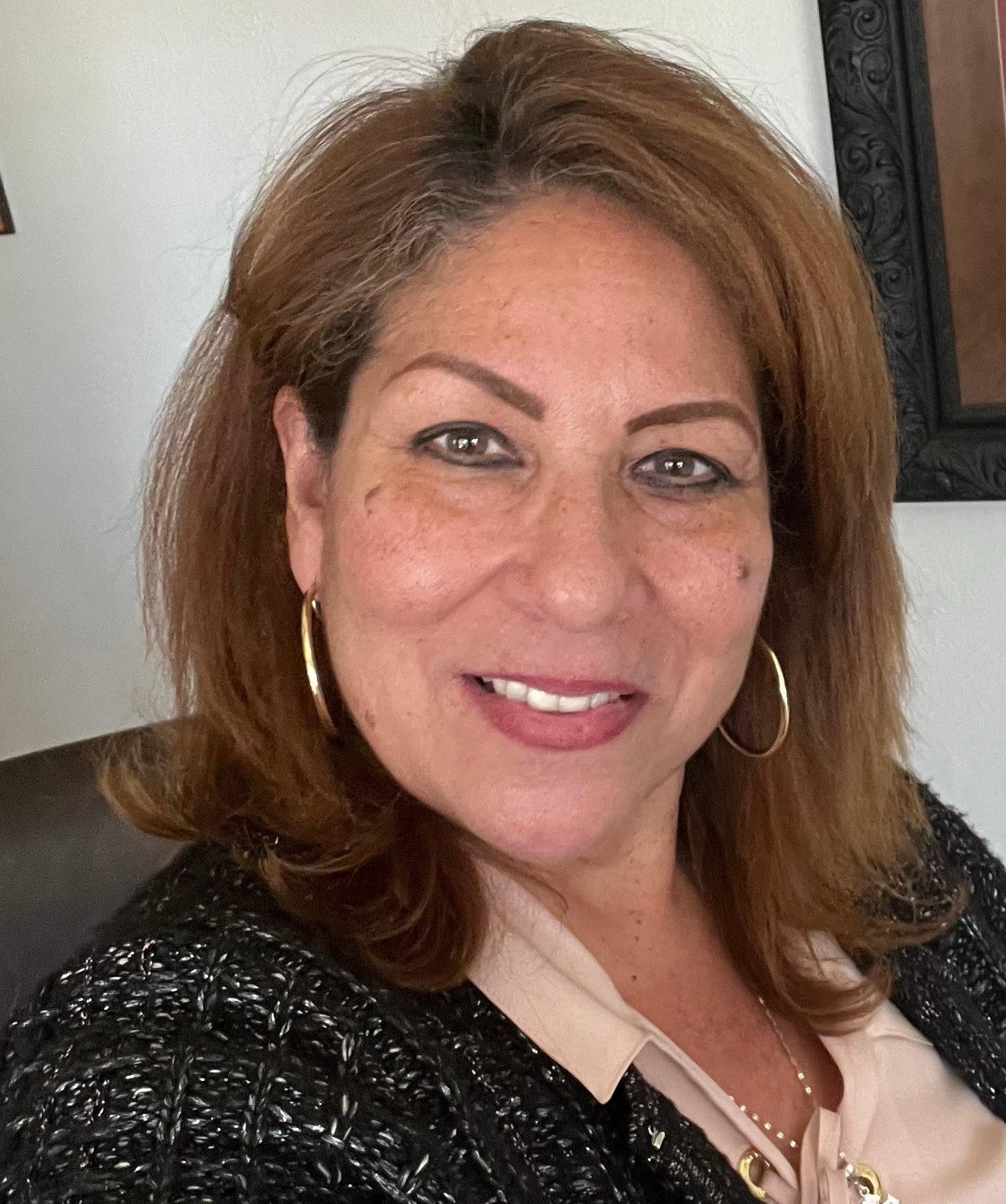
Mary Dominguez-Santini
https://www.facebook.com/CandidateGrandPrairieCityCouncil/
Question 1:
What are your top three campaign platform priorities or concerns?
My top priorities for our community-
Economic opportunity and affordability; Transparency and Collaboration; Safe Neighborhoods and City Services; Responsible Growth & Development
I am proudly running independently, focused solely on serving my community with integrity, commitment and passion for service.
Question 2:
As Grand Prairie continues to grow geographically and this council position is at-large, what specific steps would you take to foster community unity and ensure residents—from 75050 to 75054 and in newly developed areas—continue to feel connected as part of one Grand Prairie community?
Building neighborhood to neighborhood leadership bridges, establishing community partnerships to ensure everyone feels included, developed community trust by getting involved creating windows of opportunity and ultimately creating city wide projects that include everyone ( small businesses, schools, churches, etc) use the big growth city to unite not divide there user slot of things that can be done.
Question 3:
As Grand Prairie grows and redevelops, how should the city balance new development with preserving its history, cultural identity, and long-standing institutions—and what role should City Council play in that effort?
Build a “Then & Now Grand Prairie” digital map: tap a location, see old photos/stories, and connect it to today’s redevelopment.
Expand markers, walking tours and neighborhood sign toppers, so residents and visitors experience history and ultimately the city should definitely invest in a big museum arts and culture center that would attract tourist. City Council members play a important role in helping with making this project a reality , they pretty much control funding , GP deserves this.
Question 4:
What standards of conduct, professionalism, and accountability do you believe City Council members should uphold—both during meetings and outside of them—and how would you model that behavior as an at-large councilmember?
Core standards, professional, transparent, integrity , stewardship, respectful, responsible, patient, caring, loyal both , nobody should be above the law, charters need to be reviewed and regulated to ensure unethical behavior doesn’t bring shame or economic loss to our city.
Question 5:
City finances are complex, and this position is a special term that will require standing for election again in 2027. How familiar are you with the City of Grand Prairie’s financial structure, budgeting process, and oversight responsibilities, and how would you get up to speed quickly if elected?
Understanding revenue sources and volatility is extremely important, reviewing, evaluating and analyzing capital improvement planning (CIP)
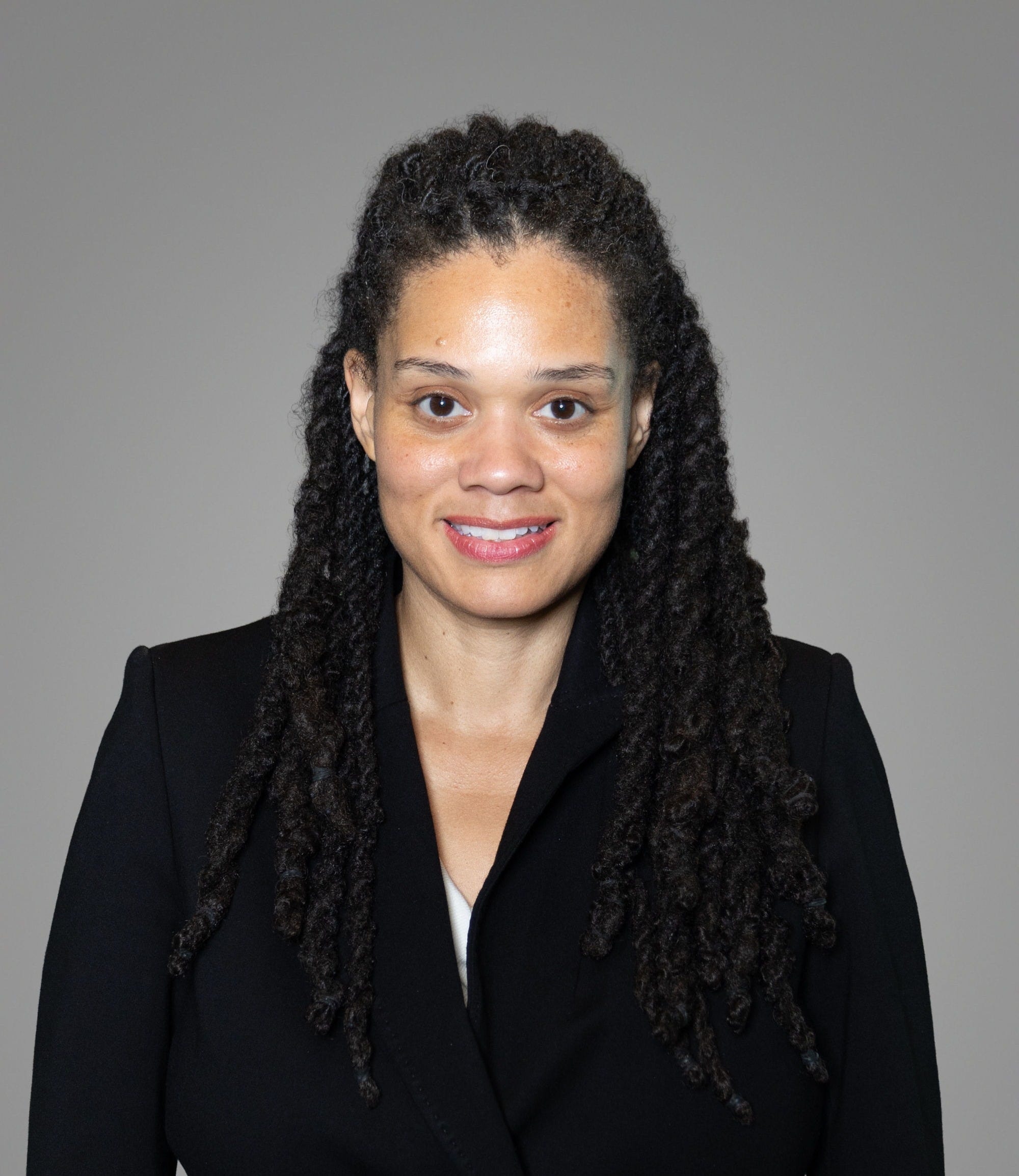
Amber Luckey
www.voteamberluckey.com
Question 1:
What are your top three campaign platform priorities or concerns?
1. Safe & Strong Neighborhoods
Every family deserves to feel safe in their home and community. I support fully resourcing police, firefighters, and first responders while building trust through accountability, transparency, and community engagement. Safe neighborhoods also mean well-maintained streets, sidewalks, lighting, and public spaces, especially in older areas that deserve the same attention as new growth.
2. Affordable Living & Family Support
Grand Prairie must remain a place where families can afford to live, work, and raise children. I will advocate for affordable and workforce housing options, access to healthcare, including a hospital, and expanded mental health, therapy, childcare, and respite services. As a parent and special education advocate, I understand how critical it is that city policies support families at every stage of life while attracting good-paying, sustainable jobs.
3. Small Businesses & Infrastructure
Strong local businesses and reliable infrastructure are the foundation of a healthy economy. I will work to strengthen partnerships with the Chamber of Commerce, support small business growth and retention, and attract employers that invest in our workforce. At the same time, I will prioritize infrastructure improvements, streets, sidewalks, drainage, and facilities, using smart planning, responsible budgeting, and accountability to ensure every dollar works for Grand Prairie.
Question 2:
As Grand Prairie continues to grow geographically and this council position is at-large, what specific steps would you take to foster community unity and ensure residents—from 75050 to 75054 and in newly developed areas—continue to feel connected as part of one Grand Prairie community?
Serving in an at-large position means every neighborhood matters, from 75050 to 75054, including our older communities and newly developed areas. Community unity doesn’t happen by accident; it requires intentional listening, presence, and inclusive planning.
First, I would prioritize consistent community engagement across the entire city. That means rotating town halls and listening sessions in accessible locations, ensuring participation from residents of all abilities, ages, and backgrounds, including the disabled community, individuals with special needs, and seniors.
Second, communication must be clear, accessible, and inclusive. I support using multiple platforms, including in-person meetings, social media, newsletters, and partnerships with schools, HOAs, faith-based organizations, and advocacy groups, while ensuring information is available in accessible formats and languages so no one is left out.
Third, unity is strengthened when investments are equitable. I would advocate for balanced investments in infrastructure, public safety, and services across all neighborhoods, prioritizing accessibility features such as sidewalks, curb ramps, lighting, and safe transportation options that support seniors, families, and individuals with disabilities.
Finally, shared experiences build connection. I support citywide events, cultural celebrations, youth and family programming, senior-focused activities, and business spotlights that bring residents together and reflect the diversity of Grand Prairie.
As a parent of a child with special needs and a longtime community advocate, inclusion is personal to me. I’m committed to representing all of Grand Prairie with fairness, accessibility, and respect, so every resident, at every stage of life, feels connected and valued as part of one strong community.
Question 3:
As Grand Prairie grows and redevelops, how should the city balance new development with preserving its history, cultural identity, and long-standing institutions—and what role should City Council play in that effort?
Balancing growth with preservation requires a collaborative, thoughtful approach. Grand Prairie is fortunate to have a strong City Manager, along with experienced facilities, engineering, and planning staff who understand both infrastructure needs and the importance of fiscal responsibility. City Council’s role is to work in partnership with that team, providing clear direction, accountability, and community-centered priorities.
As the city grows, new development should complement, not erase, our history and cultural identity. That means respecting long-standing neighborhoods, supporting legacy businesses and institutions, and ensuring redevelopment aligns with the character of the community. Growth should enhance what makes Grand Prairie unique.
City Council plays a key role by setting policy, engaging residents, and ensuring transparency. That includes listening to community voices early in the planning process, using data and professional expertise to guide decisions, and balancing economic development with preservation efforts. It also means being good stewards of taxpayer dollars by evaluating long-term costs, not just short-term gains, and ensuring projects are financially sustainable.
With collaboration, intentional planning, and respect for both our past and our future, Grand Prairie can grow in a way that honors its roots while creating opportunity for generations to come. That’s the balanced leadership I’m committed to bringing to City Council.
Question 4:
What standards of conduct, professionalism, and accountability do you believe City Council members should uphold, both during meetings and outside of them—and how would you model that behavior as an at-large councilmember?
City Council members set the tone for the entire organization and the community we serve. The standards we uphold, both during meetings and outside of them, should reflect integrity, respect, professionalism, and accountability.
My background in Human Resources has taught me the importance of clear expectations, ethical conduct, and consistent accountability. Whether managing employee relations, compliance issues, or sensitive situations, I’ve learned that trust is built when leaders act fairly, communicate transparently, and treat people with dignity, even during disagreement.
As a Facilities Manager, I’ve overseen engineers, HVAC and maintenance teams, general contractors, vendors, and suppliers. In that role, professionalism and accountability aren’t optional; they’re essential. Projects involve budgets, timelines, safety, and public trust. I hold teams accountable to standards, expect follow-through, and address issues directly and respectfully. I bring that same mindset to public service.
As an at-large councilmember, I would model professionalism by being prepared, informed, and respectful in meetings; by listening before speaking; and by asking thoughtful, solutions-oriented questions. Outside of meetings, I believe councilmembers must conduct themselves in a way that builds confidence in city leadership, being accessible to residents, transparent in decision-making, and accountable for their actions.
Disagreement can and will happen, but it should always be handled with civility and respect. Leaders should focus on problem-solving, not politics, and on serving the entire city, not personal interests.
My commitment is to lead with integrity, consistency, and professionalism, and to earn the trust of Grand Prairie residents through my actions every day.
Question 5:
City finances are complex, and this position is a special term that will require standing for election again in 2027. How familiar are you with the City of Grand Prairie’s financial structure, budgeting process, and oversight responsibilities, and how would you get up to speed quickly if elected?
I have a strong working understanding of how municipal finances function and a professional background that directly aligns with budgeting, oversight, and accountability. For more than 17 years, I’ve managed multimillion-dollar budgets, reviewed contracts, evaluated bids, and overseen long-term operational and maintenance costs. That experience has taught me how to read financial reports, ask the right questions, and focus on both short-term impacts and long-term sustainability.
I understand that the City Council’s role is not to manage day-to-day operations, but to provide oversight, set priorities, and ensure fiscal responsibility. I’m familiar with the city’s budget structure, capital improvement planning, and the importance of maintaining reserves while funding essential services and infrastructure.
If elected, I would get up to speed quickly by meeting early and often with the City Manager, finance staff, and department leaders to understand current financial priorities, constraints, and long-term obligations. I would also actively participate in the Finance and Government Committee, review audit reports, budget documents, and capital plans, and seek clarity on areas where efficiencies or cost savings may exist.
My approach is hands-on, collaborative, and data-driven. I take this role seriously, including the responsibility of earning voters’ trust again in 2027, and I’m committed to being fully prepared, informed, and accountable from day one.
Michelle Madden
www.VoteMichelleMadden.com

Question 1:
What are your top three campaign platform priorities or concerns?
1) Keep property taxes at current rate or lower.
2) Plan for and protect overburdening of the city’s infrastructure during our extended southward growth so that residents remain well-served and do not have interruption of services.
3) Promote transparency of decision making and finances.
Question 2:
As Grand Prairie continues to grow geographically and this council position is at-large, what specific steps would you take to foster community unity and ensure residents—from 75050 to 75054 and in newly developed areas—continue to feel connected as part of one Grand Prairie community?
As Grand Prairie continues to grow, it is important to create intentional opportunities that bring residents together across all ZIP codes and newly developed areas. One way to do this would be to host additional city events in locations further south—such as Loyd Park—to encourage participation from residents throughout the city and ensure that all areas feel equally included.
In addition, a City of Grand Prairie–produced monthly newspaper-style publication mailed directly to residents would be an effective way to keep people of all ages informed, engaged, and connected. Providing consistent, accessible communication helps reinforce a shared sense of community and ensures that residents across 75050 to 75054 feel connected as one Grand Prairie.
Question 3:
As Grand Prairie grows and redevelops, how should the city balance new development with preserving its history, cultural identity, and long-standing institutions—and what role should City Council play in that effort?
As Grand Prairie grows and redevelops, it is important to preserve the city’s history, cultural identity, and long-standing institutions while continuing to support thoughtful development. The cultural events currently hosted by the city provide meaningful opportunities to celebrate and share our community’s heritage and should continue to be supported.
One potential enhancement would be the creation of a cultural conference or exhibit space at City Hall where cultural items and historical displays could be showcased, providing a permanent and accessible way to honor the city’s diverse background. At this time, I do not believe that growth and expansion require additional provisions for cultural events, but rather a continued commitment to maintaining and respecting the traditions and institutions that already serve our community well. City Council’s role should be to support these efforts by encouraging thoughtful planning, ensuring cultural considerations remain part of the conversation, and balancing progress with preservation.
Question 4:
What standards of conduct, professionalism, and accountability do you believe City Council members should uphold both, during meetings and outside of them, and how would you model that behavior as an at-large councilmember?
City Council members should uphold the highest standards of conduct, professionalism, and accountability both during meetings and in their interactions outside of them. This includes giving speakers full attention by maintaining eye contact, listening respectfully, and engaging thoughtfully. Professionalism also requires clear, respectful communication and timely responses to constituents and colleagues. Publicly questioning the integrity of a fellow councilmember undermines trust in the governing body and should not be acceptable. Standards of conduct must be clearly defined, written, and publicly available, with consequences for violations that are impartial and not determined solely by fellow council members.
As an at-large councilmember, I would model these standards through respectful engagement, consistent professionalism, transparent communication, and by holding myself to the same clear expectations I support for the entire council.
Question 5:
City finances are complex, and this position is a special term that will require standing for election again in 2027. How familiar are you with the City of Grand Prairie’s financial structure, budgeting process, and oversight responsibilities, and how would you get up to speed quickly if elected?
I have reviewed the FY 2025–2026 budget and understand the overall structure, though there are areas where additional clarification would be helpful. For example, greater transparency around what is included in each account, how funds are structured, and whether any accounts operate at a deficit and are subsidized by other funds would strengthen understanding and oversight. Having this information clearly documented in writing would be valuable.
To get up to speed quickly if elected, I would request meetings with the Budget Department to review the city’s financial structure in detail, ask targeted questions, and gain clarity on funding sources, expenditures, and oversight responsibilities